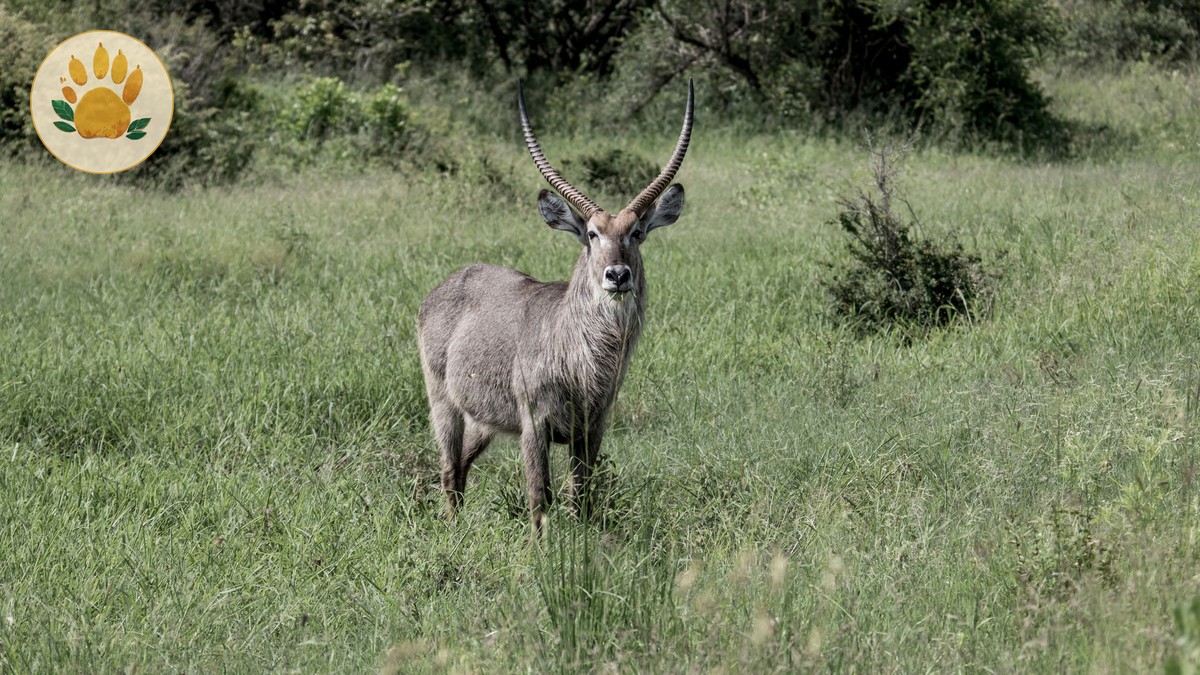
Most safari planning starts with animals. But landscapes shape every sighting, every photograph, and how you feel at the end of the day. If you have already seen the Maasai Mara, or you simply care about the view as much as the wildlife, this guide is for you. It compares Kenya safari scenic landscapes by real access, cost, and trade-offs.
We focus on eight regions, from Kilimanjaro’s Amboseli foreground to Tsavo’s red earth. Use the comparison table below to shortlist, then read each section for timing, access, and photography notes.
| Region | Landscape signature | Approx. road from Nairobi | Indicative fee (non-resident) | Strongest for |
|---|---|---|---|---|
| Maasai Mara National Reserve | Open grassland, rolling hills, riverine acacia | ~250 km, 5-6 hours | USD 100 Jan-Jun, USD 200 Jul-Dec (county fee) | Classic plains and big cats |
| Amboseli National Park | Kilimanjaro views, wetlands, open plains | ~240 km, 4-5 hours | USD 90/adult/day | Elephants and mountain panoramas |
| Samburu National Reserve | Arid hills, doum palms, Ewaso Ng’iro River | ~345 km, 6-7 hours | USD 70-100/adult/day (indicative) | Rugged northern scenery and rare species |
| Tsavo East / Tsavo West | Red earth, baobabs, lava flows, volcanic hills | ~330 km / ~250 km, 5-7 hours | USD 80/adult/day | Scale, solitude, geology |
| Lake Nakuru National Park | Escarpment, lake, fever tree woodland | ~160 km, 2.5-3 hours | USD 90/adult/day | Rhinos, birdlife, escarpment views |
| Laikipia and Lewa | Plateaus, rocky hills, Mount Kenya views | ~200 km to Nanyuki, 3-4 hours | USD 80-150/person/night (bundled) | Privacy, walking, conservation |
| Mount Kenya and central highlands | Forested slopes, waterfalls, mountain panoramas | ~150-200 km to Nanyuki/Nyeri, 3-4 hours | KWS park fees vary, usually lower than savannah parks | Cool scenery, hiking, scenic drives |
| Chyulu Hills / Hell’s Gate | Volcanic ridges, cliffs, gorges | ~230 km / ~90 km, 4-5 / 1.5-2 hours | Chyulu USD 40/adult/day; Hell’s Gate lower, ask | Walking, cycling, volcanic scenery |
Maasai Mara: classic open savannah and rolling hills
The Maasai Mara is Kenya’s best all-round landscape for first-time visitors. Wide golden grasslands, rounded hills, scattered acacias, and the Mara and Talek River corridors create classic safari views. Dry-season scenery is the most open and photogenic. The trade-off is heavier visitor concentration than in northern conservancies.
Entry currently costs USD 100 per adult per day from January to June and USD 200 from July to December, set by Narok County rather than KWS. The Oloololo Escarpment on the reserve’s western edge gives the longest sight lines. Angama Mara sits on that edge and is known for its view, but many camps in the Mara Triangle also face open plains.
For photography, light matters more than focal length on these open plains. Read our Kenya safari photography vehicle setup guide before choosing a camp. Pair the Mara with Amboseli or Laikipia for contrast. Do not add Tsavo unless you have at least ten nights.
Amboseli: elephants and Mount Kilimanjaro views
Amboseli offers Kenya’s most recognizable mountain safari scenery, with elephant-filled wetlands and open plains framed by Mount Kilimanjaro. The mountain is not visible every day because clouds often cover the summit. Choose early-morning drives and allow at least two nights rather than treating a single viewpoint as guaranteed.
Non-resident entry is USD 90 per adult per day. The clearest months are usually July through October and January through February, but weather can shift. Observation Hill gives a panoramic view, while the marshes near Enkongo Narok attract elephants and birds. Camps on the eastern side, such as Tortilis Camp, face the mountain.
For photography, silhouette shots work best in the first light. Leave space for the mountain in your frame, not just the animal. Amboseli is compact, so you can see a lot in two full days.
Samburu and northern Kenya: rugged, arid landscapes
Samburu is the strongest choice for rugged scenery and a sense of distance. Dry hills, rocky outcrops, doum palms, and the Ewaso Ng’iro River replace the Mara’s continuous grasslands. The landscape feels more dramatic and remote, while wildlife is more specialized and generally less dense than in the Mara.
Samburu National Reserve sits north of the equator and often pairs with Buffalo Springs and Shaba. Reticulated giraffe, Grevy’s zebra, gerenuk, and Somali ostrich are some of the northern rarities. See our list of lesser-known animals to watch for on safari for what to look for.
Access by road takes six to seven hours from Nairobi. Flights to Samburu airstrip are shorter. Saruni Samburu sits on a ridge with wide views over the valley. Reserve fees vary, so budget around USD 70 to 100 per adult per day as an indicative range. Samburu works best as a second stop after the Mara, because the scenery and wildlife feel completely different.
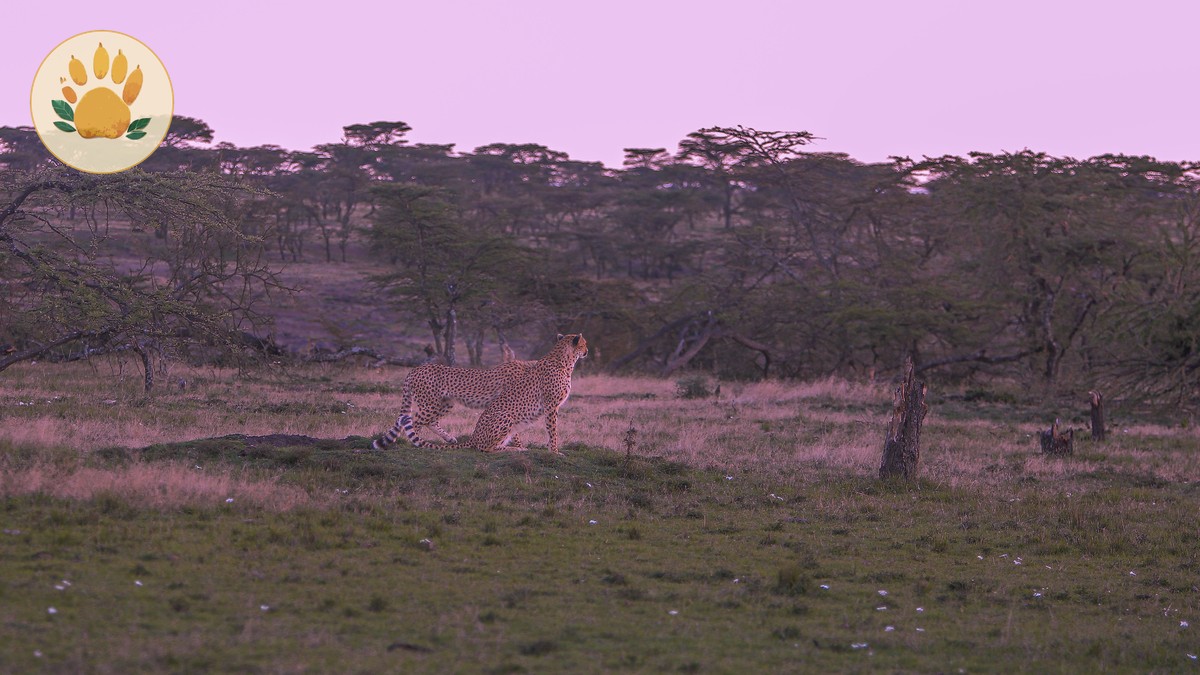
Tsavo East and Tsavo West: red earth, volcanic scenery, and wilderness
Tsavo provides Kenya’s broadest wilderness-scale scenery, from red-dusted plains and baobabs in Tsavo East to volcanic hills, lava flows, springs, and rocky terrain in Tsavo West. It suits travelers who value geological variety and solitude. Distances are long and sightings can feel less concentrated than in smaller reserves.
Non-resident entry is USD 80 per adult per day for either park. Tsavo East’s red elephants along the Galana River are a signature sight. Tsavo West has Mzima Springs, Shetani Lava, and Chaimu Crater. The road from Nairobi is long, so flying into Voi or Mtito Andei can save time.
Tsavo rewards patience. It is less about guaranteed predators and more about huge sky, empty roads, and dramatic geology. Do not try to see both Tsavo East and West in two days.
Rift Valley lakes: escarpments, wetlands, and bird-filled shorelines
Kenya’s Rift Valley lakes combine steep escarpments, volcanic landforms, open water, and wetland habitat. Lake Nakuru is the most practical safari stop for rhinos, woodland, and birdlife. Naivasha works better for boat trips and walking experiences. Flamingo numbers vary, so do not plan around a guaranteed pink shoreline.
Lake Nakuru National Park charges USD 90 per adult per day. The road from Nairobi takes about two and a half to three hours, making it possible as a day trip but better with one night. The escarpment road gives wide views before you descend to the lake.
Lake Naivasha is not a national park for entry in the same way, but boat trips and Crescent Island walks carry separate fees. Water levels shift between seasons, which changes where birds gather. This is one region where the rainy season can create softer light and greener grass.
Laikipia and Lewa: conservation landscapes, plateaus, and mountain views
Laikipia and Lewa offer some of Kenya’s most varied scenery in one region: rolling plateaus, open grassland, rocky hills, river valleys, and distant Mount Kenya views. They are especially attractive for private conservancy experiences, walking, and lower-density tourism. Exclusive camps usually cost more than comparable public-park accommodation.
Lewa Wildlife Conservancy and neighboring Laikipia conservancies charge a conservation fee or bundle it into lodge rates. Budget roughly USD 80 to 150 per person per night, which often includes activities. Loisaba and Lewa Wilderness have strong escarpment and plateau views.
Access is best by air to Nanyuki or Lewa Downs. Driving takes three to four hours to Nanyuki. Laikipia is a better choice than Samburu if you want walking and privacy more than a purely wild landscape.
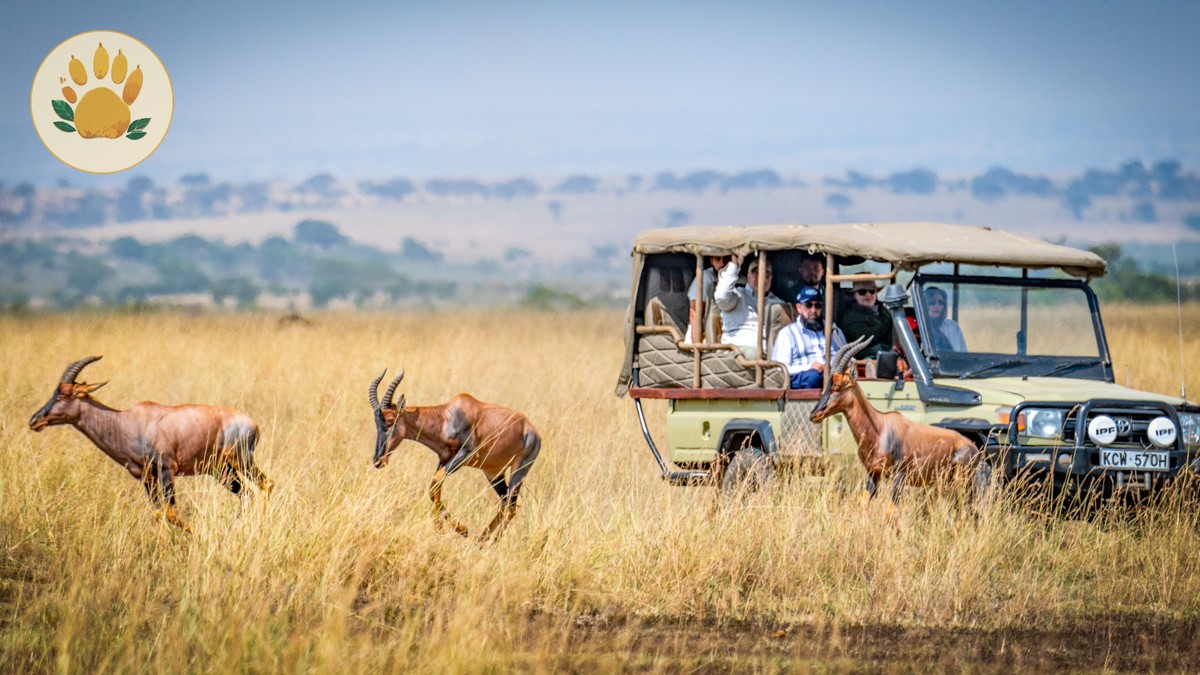
Mount Kenya and central highlands: forests, peaks, and cooler scenery
Mount Kenya’s surroundings are the best Kenyan landscape choice for cooler highland scenery, with forested slopes, cultivated foothills, waterfalls, and mountain panoramas. It is more suited to combining safari with hiking or scenic drives than to classic Big Five viewing. Cloud cover can obscure the summit even in otherwise clear conditions.
Nanyuki and Naro Moru are useful bases. Aberdare National Park lies nearby and adds forest, moorland, and waterfalls, though its fees are lower than the main savannah parks. Solio Ranch near Nyeri is a reliable rhino landscape with a private conservancy feel.
This region pairs well with Laikipia or Samburu if you want a mountain-to-arid contrast without too much driving.
Chyulu Hills and Hell’s Gate: volcanic formations, cliffs, and active experiences
Chyulu Hills and Hell’s Gate deliver Kenya’s most accessible volcanic scenery, including lava-shaped ridges, cliffs, gorges, and broad Rift Valley views. Hell’s Gate is particularly useful for walking and cycling because visitors can leave the vehicle in designated areas. Chyulu Hills feels wilder but requires more specialized lodge and guide planning.
Chyulu Hills National Park charges USD 40 per adult per day. Hell’s Gate entry is lower, so check the current KWS rate. In Hell’s Gate, Fischer’s Tower and the gorge are walkable from the parking area. Ol Donyo Lodge in the Chyulu Hills sits on a ridge with long views toward Kilimanjaro.
These two places are best for active travelers. They offer scenery that rewards being on foot or on a bicycle, not just in a vehicle.
How to choose the best Kenya safari scenic landscapes for your itinerary
Choose the Maasai Mara for classic plains and dependable big-cat viewing, or Amboseli for elephants and a possible Kilimanjaro backdrop. Pick Samburu for arid northern scenery, Tsavo for geological scale, or Laikipia for privacy and conservation. For a balanced first trip, pair the Mara with either Amboseli or Laikipia rather than attempting every region.
If you have already seen the Mara, the strongest next step is Samburu for contrast or Laikipia for privacy. A seven-night route often works well as three nights in the Mara and three nights in Amboseli, with one night in Nairobi on the way out. Add Tsavo only with ten or more nights on the ground.
Transfers matter. Road time eats into game drives. Use the table above to calculate whether a flight is worth the extra cost. For what green season does to these landscapes, see our Kenya safari in the rainy season guide.
The SafariPure Difference
Most landscape guides stop at inspiration. We plan the route backward from light, distance, and camp position. SafariPure selects camps with east-facing Kilimanjaro views or riverfront access in the Mara, limits transfer days, and builds trips around two or three contrasting regions instead of a rushed checklist.
Our guides know when to stop, not just what to name. That means better photography, fewer crowds, and more time on foot where it is allowed. We are honest about trade-offs: a dramatic view can come with fewer predators or longer drives.
Frequently Asked Questions
What is the most scenic safari park in Kenya?
Amboseli is often the most visually striking because elephants and wetlands can be photographed with Mount Kilimanjaro behind them. The Maasai Mara is better for classic open-savannah scenery and concentrated wildlife, while Samburu offers more rugged and unusual scenery.
Where can you see Mount Kilimanjaro on safari?
The best Kenyan destination for Mount Kilimanjaro views is Amboseli National Park, especially from open plains and wetland areas during clear early mornings. Visibility depends on weather, so treat the mountain as a possible backdrop rather than a guaranteed sighting.
Is Amboseli or Maasai Mara more scenic?
Amboseli has the more distinctive single view because of Mount Kilimanjaro, elephants, and wetlands. The Maasai Mara has more varied classic safari compositions, including rolling grassland, riverine habitats, and large herds. Choose Amboseli for iconic panoramas and the Mara for broader wildlife-and-landscape variety.
Which Kenya safari destination is best beyond the Maasai Mara?
Samburu is the strongest alternative for a clear contrast with the Mara, offering arid hills, riverine greenery, and northern wildlife such as reticulated giraffe and Grevy’s zebra. Laikipia is a better alternative for private conservancies, walking, and a quieter conservation-focused experience.
What is the best Kenya safari for photography?
The best destination depends on the subject. Amboseli is strongest for mountain-and-elephant compositions, the Mara for wildlife action against open plains, Samburu for textured arid scenes, and Laikipia for lower-density photography. Vehicle setup, light, guide skill, and camp location often matter as much as the park itself.
Plan Your Kenya Safari Landscapes
SafariPure can help you choose the landscapes that match your time, budget, and photography goals. See our Kenya safari tours or use the contact page to start planning.